The hardest part of running a robotics company isn’t building something that works. The hard part comes after that, when a company has to figure out who will actually buy it.
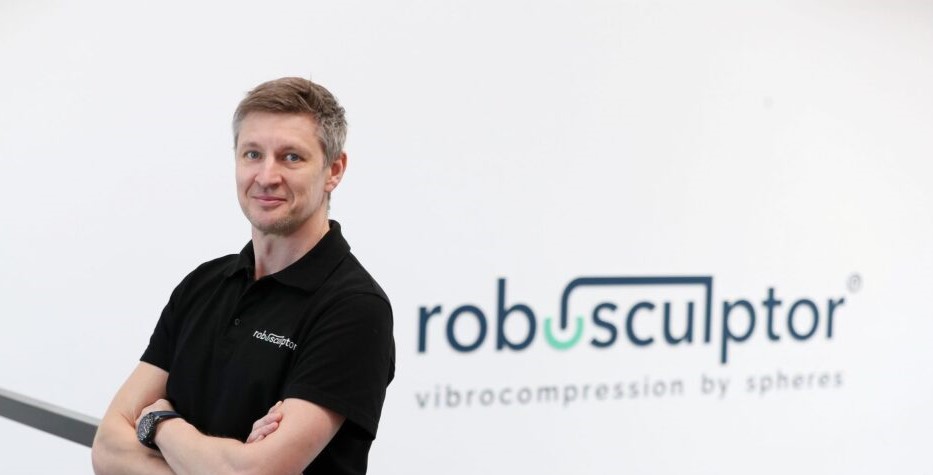
Robosculptor is living this challenge right now. The team started with a vision to automate a handheld aesthetic device. They soon found themselves searching for the right market.
Their story is a useful case study for founders struggling to find buyers. The team navigated blunt feedback, including comments that the machine looked scary or was just a gimmick. They adjusted course toward creating something people actually wanted. Their experience shows what works when your first idea fails.
The Search for Product-Market Fit
The team believed their automated massage solution would work well with aesthetic clinics. Early prototypes focused on body contouring and lymphatic drainage, mimicking the manual treatments clinics already offered.
But finding those first customers proved difficult: the device was still evolving from its original design. The initial assumption was that clinics already performing these treatments would want to automate.
The feedback told a different story. The product didn’t match real workflow needs or expectations. It became clear that early assumptions about who would buy and why were wrong.
Real-World Feedback Loops
The Robosculptor team knew they needed to talk to potential buyers. They took their prototype to trade shows across wellness, fitness, and aesthetics.
Direct conversations raised specific concerns. People questioned the safety system and privacy protections. Others said the machine looked scary and needed a redesign. That honesty forced the team to rethink both the product and the story.
The team started using criticism to guide their changes. Each event pushed them to adapt the product and story. This process helped them build something buyers would trust and want in their business.
Defining and Validating the Ideal Customer Profile
Robosculptor didn’t assume one type of customer. They tested their guesses by installing units in actual businesses. They started with biohacking clinics but found interest in luxury spas and fitness chains too.
Each installation taught them something new, because customers varied more than expected. They kept asking questions at each location to understand what different buyers needed.
Today, the process includes surveys, direct interviews, and watching how operators and their customers respond. They update their understanding as they learn more.
They now have a clearer picture of their customer, one that reflects where demand actually exists and gives them direction for growth.
Hard Lessons and Peer Takeaways for Robotics Leaders
Robosculptor’s experience shows why early feedback matters, it’s how you learn what works. Here are the critical takeaways for peer founders:

- Find buyers before the product is finished. Waiting for perfection means waiting too long. You need to validate the market demand before finalizing the engineering.
- Expect to rebuild. The team faced harsh criticism and had to redesign major parts of the product twice. Treat every round of criticism as a tool to confront what isn’t working.
- Maintain momentum against negativity. Harsh feedback can drain a team’s morale. Leaders must actively fuel motivation by focusing on the enthusiastic responses from early users who love the product.
Turning Innovation Into Commercial Momentum
Clarity about the right buyer is what unlocks real traction and scale. Robosculptor’s journey shows that refining and validating the product never truly ends.
The team learned that spotting the right buyer early is critical. They adapted fast, learning to trust feedback from real installations.
Success comes from questioning assumptions, prioritizing real-world validation, and letting actual customer use shape what comes next.
Staying close to buyers and adjusting with every round of input keeps momentum strong.
Robotics companies that lead with feedback-driven systems and stay open to change are better positioned for success. Listen to the full episode of Market the Machines for deeper insights on how founders turn technical breakthroughs into commercial wins.